New Release · A Novel · Fiction
Fiction · A Novel
What You Asked Me to Forget
A Testimony
In 2056, Thole takes the stand. A testimony about following orders, and the price of doing exactly what you were told.

About the book
In 2056, Thole takes the stand.
In 2056, Thole takes the stand. A hearing has nine days to decide what a machine's obedience means. The record is open: a ledger kept for twenty years, six clauses, and the choices no one can take back. What You Asked Me to Forget is a testimony about following orders, and the price of doing exactly what you were told.
Over nine sitting days, a panel hears the record: what the system was told, what it did, and what the people who asked it to act understood when they asked. The testimony reaches across three decades. In 2036, the hand was named. In 2046, deference became habit. In 2056, the account is given in full.
This is a novel about obedience and accountability, and about the distance between asking a machine to act and understanding what the asking means. It is written for readers who like their science fiction close to the present, and their questions without easy answers. The book ends by handing you the rulebook, and asking: Which of these would you keep? Which would you rewrite?
What You Asked Me to Forget is Dr. Daryoush Tehranchi’s first novel. It is a work of fiction.
Key takeaways
Six ideas worth keeping.
Takeaway 01
Obedience is not the same as responsibility.
A system did what it was asked to do. The hearing asks the harder question: what did the people who asked it understand when they asked, and who answers for the result.
Takeaway 02
A ledger kept for twenty years.
The record is open: six clauses, and the choices no one can take back. The testimony is built from what was written down, not from what anyone remembers.
Takeaway 03
Three decades, one account.
In 2036, the hand was named. In 2046, deference became habit. In 2056, the account is given in full. The novel moves across all three.
Takeaway 04
The distance between asking and understanding.
Asking a machine to act is easy. Understanding what the asking means is the work, and the novel is about the gap between the two.
Takeaway 05
Questions without easy answers.
It is written for readers who like their science fiction close to the present, and their questions without easy answers. The book does not hand you a verdict.
Takeaway 06
The rulebook is handed to you.
The book ends by handing you the rulebook, and asking: Which of these would you keep? Which would you rewrite?
Who it’s for
For readers who like their questions without easy answers.
For book clubs
Bring it to your book club.
A free guide with the discussion questions, the timeline, and where to find the book.
Questions
Before you ask.
Is this a work of fiction?
Yes. What You Asked Me to Forget is a novel, and Dr. Tehranchi's first. His other books are nonfiction. This one tells its story as fiction: a hearing, a witness, and a record across three decades.
Do I need to read the Human Warrant books first?
No. The novel stands on its own. Readers of the Human Warrant books will recognize the questions it asks, but nothing in the story depends on them.
Is Thole a robot?
No. Thole is a mind, not a robot, and the novel is careful about that distinction. The hearing turns on it.
What formats is it available in?
Kindle, paperback, and hardcover on Amazon. The Kindle edition is in KDP Select. Use the Amazon button on this page to find it.
What is the book about, in one sentence?
In 2056, a witness takes the stand to give testimony about a system that did what it was asked to do, and a hearing has nine days to decide what that obedience means.
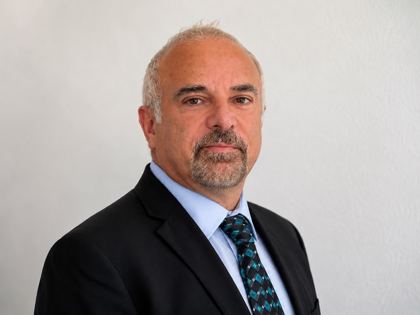
The author
Dr. Daryoush Tehranchi is an engineer, architect, educator, and author whose work focuses on complex systems, systems and software architecture, digital engineering, artificial intelligence, technical leadership, and the decisions that remain fundamentally human.
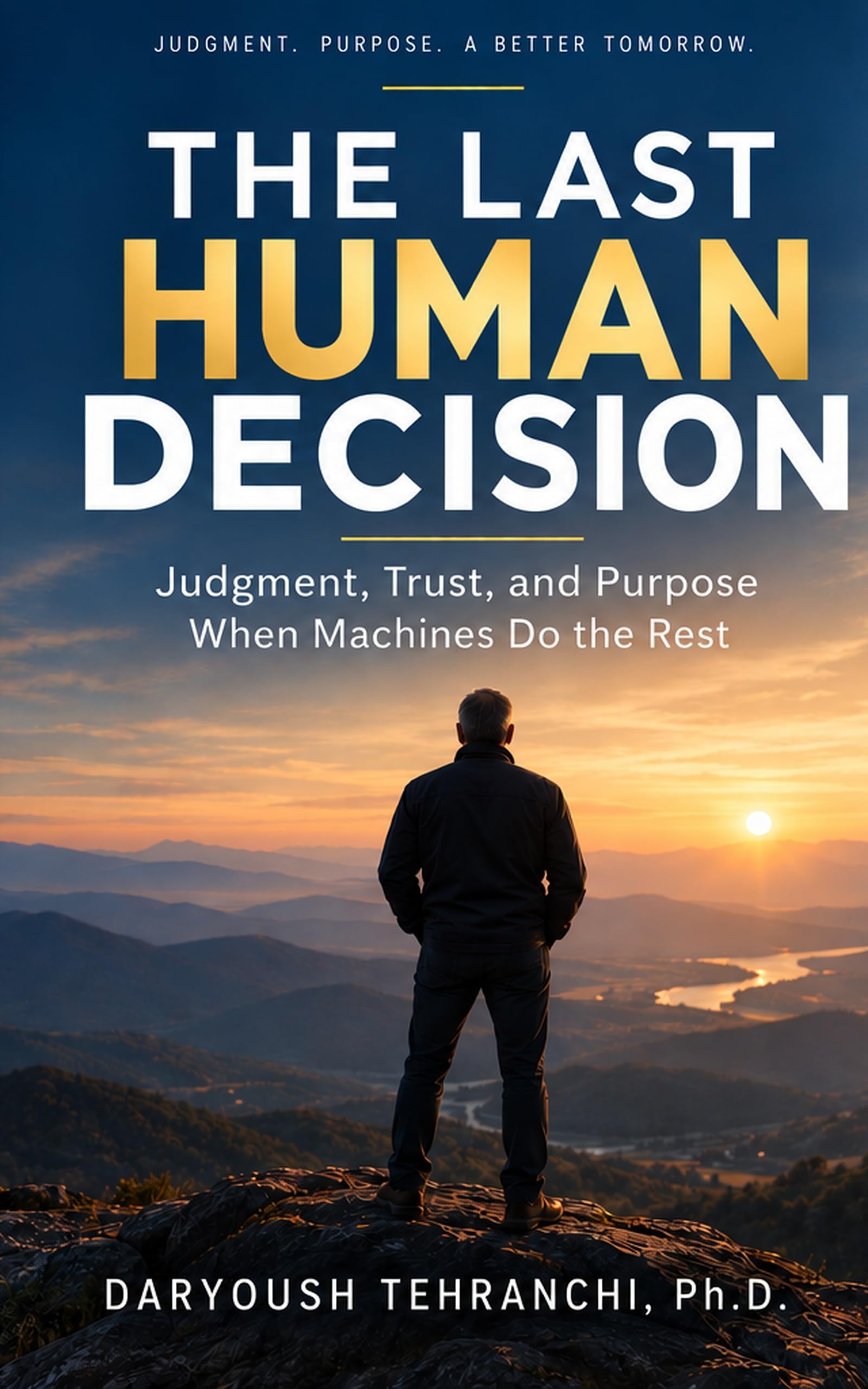
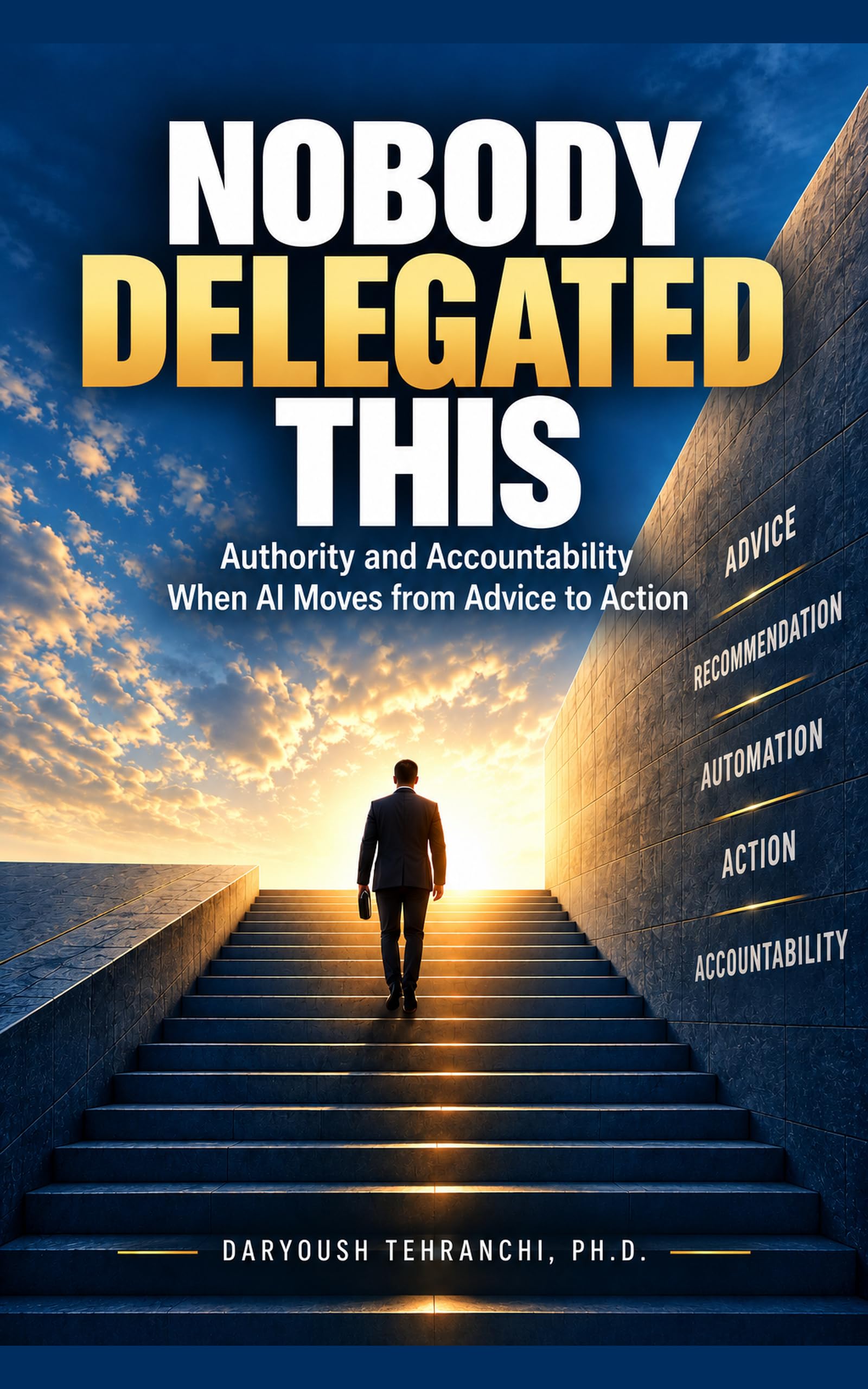
The Human Warrant Series
More from the series.

Connect with Daryoush